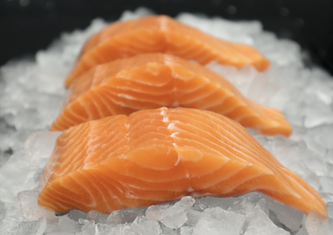
Trade body Salmon Scotland said Brexit trade barriers could be costing Scottish salmon exporters £130 million a year in EU sales, according to new analysis.
Before Brexit, two in every three Scottish salmon were exported to the EU. By 2025, that had fallen to fewer than one in two.
If salmon sales to European countries had maintained its previous share, exports could have reached £480 million last year, compared with the actual £348 million.
Separate analysis also shows that Brexit paperwork has cost British seafood exporters an estimated £53 million since 2021, involving the equivalent of more than 60 years of round-the-clock administration.
The figures have been highlighted ahead of Friday’s summit in Brussels, where UK Prime Minister Andy Burnham will meet EU leaders Ursula von der Leyen and António Costa.
Salmon Scotland said increased costs, delays and bureaucracy have made exporting to Europe more challenging.
Official figures show that 266,374 export health certificates were issued for fish and fishery products moving from Great Britain to the EU between January 2021 and October 2026.
Based on a cost of £200 per certificate, the paperwork has involved an estimated 66,600 working days of administration.
Scottish salmon accounted for more than a quarter of British seafood exports to the EU by volume over the period, with Salmon Scotland estimating its share of certification costs at more than £14 million.
A proposed sanitary and phytosanitary (SPS) agreement could remove most export health certificates and routine border checks, cutting costs and speeding up deliveries to European customers.
The EU remains Scottish salmon’s largest regional export market, while the sector supports around 11,000 jobs and contributes £1 billion a year to Scotland’s economy.
Salmon Scotland has repeatedly called for action to remove costly trade barriers, warning that additional paperwork and border checks make it harder to get fresh salmon to European customers quickly and efficiently.
Salmon Scotland chief executive Tavish Scott said: “Brexit has made it harder and more expensive for Scottish salmon farmers to sell their fish in Europe. These figures show the export potential we might have reached.
“Europe remains a hugely important market for Scottish salmon, and our farmers want to serve customers quickly, without unnecessary costs and delays.
“We welcome the progress being made towards a new agreement that would cut red tape, lower costs and speed up deliveries of salmon to key European markets.
“But reaching this agreement is only the first step. Exporters have already faced almost six years of additional costs, and we don’t want further delays to see the benefits.
“We need swift ratification and implementation, alongside further action to remove the barriers that remain.”
Salmon Scotland said further work would be needed to remove other trade barriers, including restrictions on transporting salmon in larger, reusable containers and rules affecting boxes used to ship fresh fish by air.
These restrictions can mean additional packaging, higher transport costs and more complicated journeys to customers overseas.
The £130 million estimate is based on the EU retaining a historical 61% share of Scottish salmon exports by value, compared with 42% in 2025.