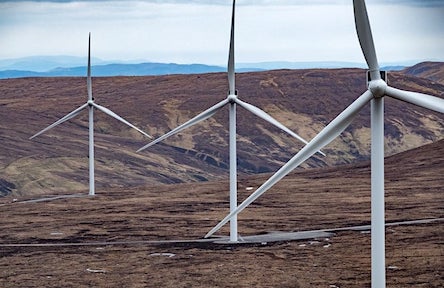
The chief executive of SSE plc, the Perth-based electricity infrastructure giant, on Wednesday urged the UK to generate more homegrown energy “generated here and supported by networks capable of getting power where it’s needed.”
The UK’s grid operator said on June 30 the UK must invest around £89 billion through the 2030s to overhaul its power grid, which could face growing inefficiencies and higher costs for consumers without upgrades.
The latest estimate from the National Energy System Operator, the UK’s UK’s grid operator, represented a rise of around 53% from a plan announced in 2024.
Network fees currently make up around 25% of a typical domestic energy bill in Britain.
SSE CEO Martin Pibworth said in a statement: “The more energy we can generate and move around Britain ourselves, the less exposed we’ll be to events elsewhere.
“The prize is an energy system that relies less on events thousands of miles away and more on the ingenuity, natural resources and engineering capability we have right here at home …”
Pibworth added: “What if more of Britain’s energy came from sources we control? Homegrown electricity, generated here and supported by networks capable of getting power where it’s needed.
“That would strengthen energy security, support growth in every part of the country and help reduce our exposure to volatile global markets.”
SSE is the largest listed company run from Scotland. It has a stock market value of almost £30 billion and employs almost 15,000 people. SSE is undertaking a £29 billion investment plan in new and upgraded electricity transmission infrastructure across the north of Scotland.
Pibworth’s plea came amid news that most UK households will see their energy bills rise from October after energy regulator Ofgem announced a 4% hike in its domestic price cap as the war in Iran pushes up wholesale costs.
“High international gas prices are continuing to drive energy costs in the UK,” said Neil Kenward, Ofgem’s director general for markets.
“We welcome the government’s intervention to remove VAT from electricity bills, without which customers would have faced even higher costs this winter.”
The increase, a £60 rise to £1,723 from the previous cap for July to September, will hit around 22 million households on variable tariffs, with the price cap covering around 65% of customers.
Benchmark wholesale British gas prices have more than doubled since the US began military action against Iran on February 28, severely curbing shipping through the Strait of Hormuz.
Wholesale costs are the biggest single driver of Ofgem’s quarterly price cap, which limits what suppliers can charge households and also reflects network and policy costs.

Martin Pibworth
Pibworth said in his statement: “Today’s GB energy price cap rise is another reminder of a simple reality: when global gas prices move, household bills tend to follow. Ofgem has attributed the last two price cap rises to the conflict in the Middle East. Broadly, about 70% of the increase in energy costs since 2017 has been driven by commodity prices and inflation.
“It does make you think.
“What if more of Britain’s energy came from sources we control? Homegrown electricity, generated here and supported by networks capable of getting power where it’s needed.
“That would strengthen energy security, support growth in every part of the country and help reduce our exposure to volatile global markets.
“The need is growing. Electric vehicles are becoming mainstream, data centres are expanding, and more homes and businesses are switching to electric heating. Demand is changing.
“And demand isn’t only growing because of new technologies. The UK has now experienced multiple heatwaves this summer, and more homes, businesses and public buildings are turning to air conditioning to stay productive and comfortable. Adapting to a changing climate will increasingly shape how, when and where we use electricity.
“We should also think about the total energy bill. By that I mean heating, power and petrol or diesel for transport. EVs and heat pumps are far more efficient than the technologies they replace. Combined with homegrown renewable power, they can help reduce overall energy costs for homes and businesses over time.
“The more energy we can generate and move around Britain ourselves, the less exposed we’ll be to events elsewhere. The prize is an energy system that relies less on events thousands of miles away and more on the ingenuity, natural resources and engineering capability we have right here at home.
“Greater energy security. More resilient growth. And over time, a better deal for customers. That’s a future well worth investing in.”